Title: How Viewing Conditions Shape the Film-Viewing Experience
I recently discovered an arthouse-adjacent theater in my city—about a half-hour walk from me—and I visited for the first time to see Everybody Knows (2018) by Asghar Farhadi. While the physical aspects of the venue—screen quality and seating—were modest compared to my usual local chain, the overall atmosphere was something special.
Set inside an old restored church, the space feels intentionally curated. On one side, Greek-style nude statues flank the seating; beyond them, large, vibrant murals adorn the walls. Six sizable ceiling fans—three on each side—circulate air. They are audible, but their sound is well-integrated into the environment, and after a minute, I scarcely noticed them. The ambience contributed a certain je ne sais quoi that made being there almost… enjoyable in a way I hadn’t anticipated.
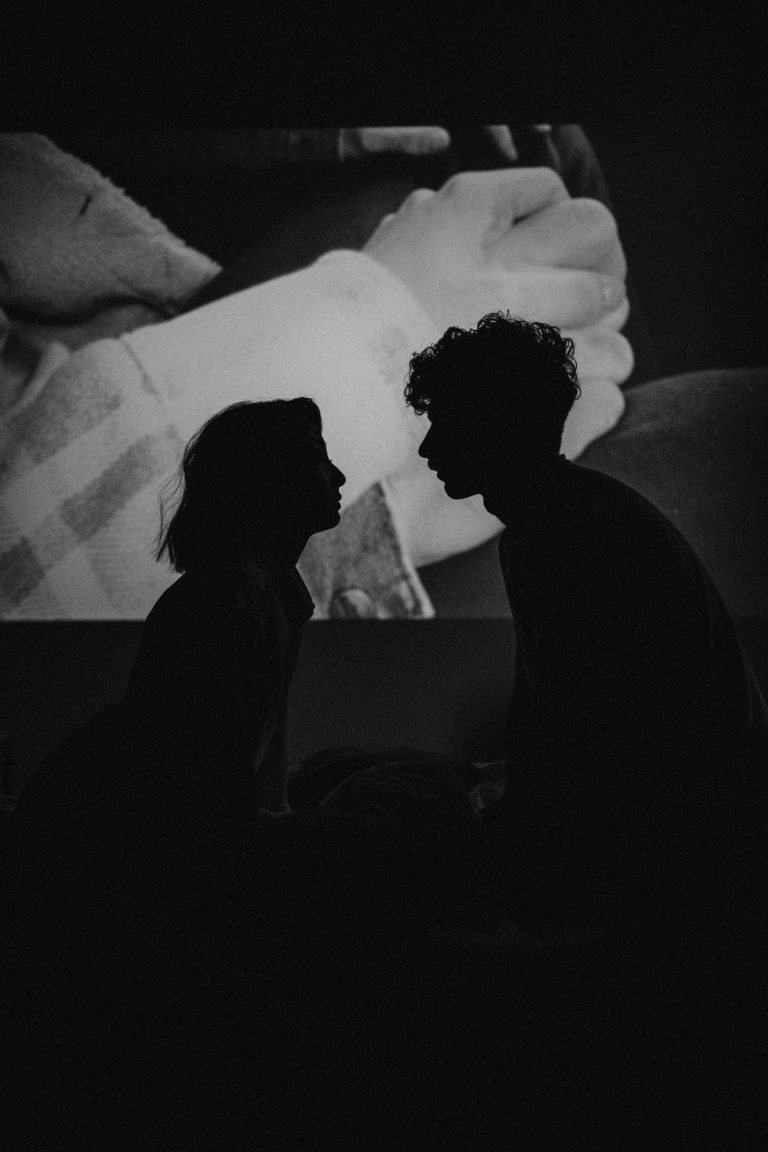
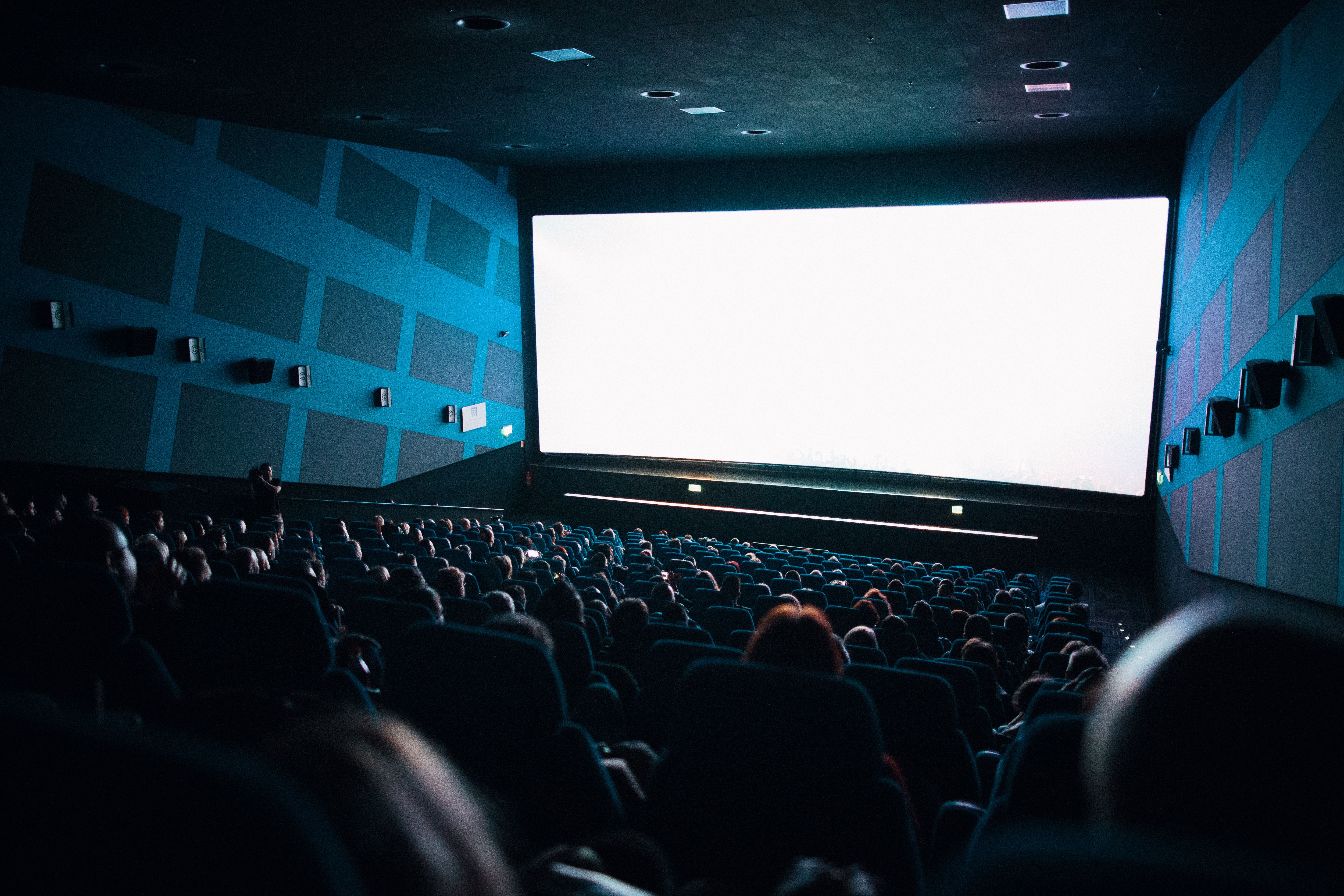
As the film began, another element emerged as a source of delight: the audience. The crowd was diverse in age, yet they shared a common thread—they had chosen a niche, theater-in-a-church venue to watch a 2018 film with modest popularity. They appeared to be cinephiles who respected theater etiquette.
The cinema was packed, yet remarkably quiet. There were no photographs snapped of the title screen, no flashes, and no visible phones. Snacks were rare, and those who did have them kept quiet. Conversations were hushed, departures were discreet, and there was no intermission for the two-hour and fifteen-minute runtime—an unusual choice, but one that fit the screening’s rhythm.
The film itself grabbed me in a way few do: so engrossing that I forgot about personal discomforts like a full bladder. When the credits rolled and lights came up, I found myself momentarily disoriented in a refreshing, childlike way. After leaving, I walked home with a full stomach and a sense of existential reflection that lingered for the rest of the evening.
This experience prompted a series of questions. Was it the film that left such a mark, or the theater itself? If a film is strong, to what extent does the viewing environment elevate the experience? For example, how did the theater’s sound design translate to the movie-watching realities of a typical home setup? Could many films be perceived more vividly with higher-quality audio-visual equipment, or are the flaws of a home system part of the viewing experience?
The question extends beyond personal reaction to broader conversations about art. Would audiences who watched Zone of Interest at home have the same impact as those who viewed it in a theater? What about blockbusters like Oppenheimer, or future releases such as The Odyssey, where screen ratios and sound environments vary between home viewing and theater experiences? People will always bring their own tastes and contexts to a film, but to what extent do those experiences arise from listening to the same stimulus versus encountering fundamentally different stimuli?
By the time I reached my apartment, I felt a palpable shift in perspective—not only about the film but about how the environment shapes memory and meaning. It prompted a moment of reflection: how much of film discussion stems from individual sensory experiences and preferences, and how much from the radically different contexts in which those films are encountered?
In short, the conditions surrounding film viewing—venue, audience dynamics, display and sound quality, and even the surrounding architecture—play a significant role in shaping our interpretation and enjoyment. The same film can register differently across home theaters, indie venues, and mainstream cinemas, raising ongoing questions about how we evaluate, discuss, and connect with cinematic art.
About the Author