Exploring the Making of Kubrick’s Spartacus: Behind-the-Scenes at the Gladiator School
In the realm of classic cinema, Spartacus (1960) stands as an enduring masterpiece, renowned for its epic storytelling and impressive ensemble cast. While most viewers are familiar with the film’s grandeur on screen, rarely do they glimpse the behind-the-scenes efforts that brought these iconic scenes to life. Recently, a rare piece of footage has surfaced, offering a fascinating window into the production process, particularly focusing on the gladiator school sequences.
This vintage footage captures Kirk Douglas, the film’s star and producer, preparing for the intense gladiatorial scenes. As a prominent figure in Hollywood’s golden era, Douglas’s commitment to authenticity and spectacle is evident here, providing fans and historians with a glimpse into the preparation and behind-the-camera dynamics of this legendary film.
In addition to Douglas, the footage also features notable figures such as Peter Ustinov, Woody Strode, and director Anthony Mann. Interestingly, Anthony Mann was initially involved as the director of Spartacus before Stanley Kubrick took over the reins. This layered directorial history adds depth to our understanding of the film’s complex production journey.
The origins of this footage are somewhat enigmatic. Sourced from the collection of Ashley Ward III, the exact purpose and context remain unclear. It is believed that the clips may have been produced for promotional purposes, possibly by Universal Pictures or Kirk Douglas’s own Bryna Productions, intended to generate interest or provide publicity for the film’s release.
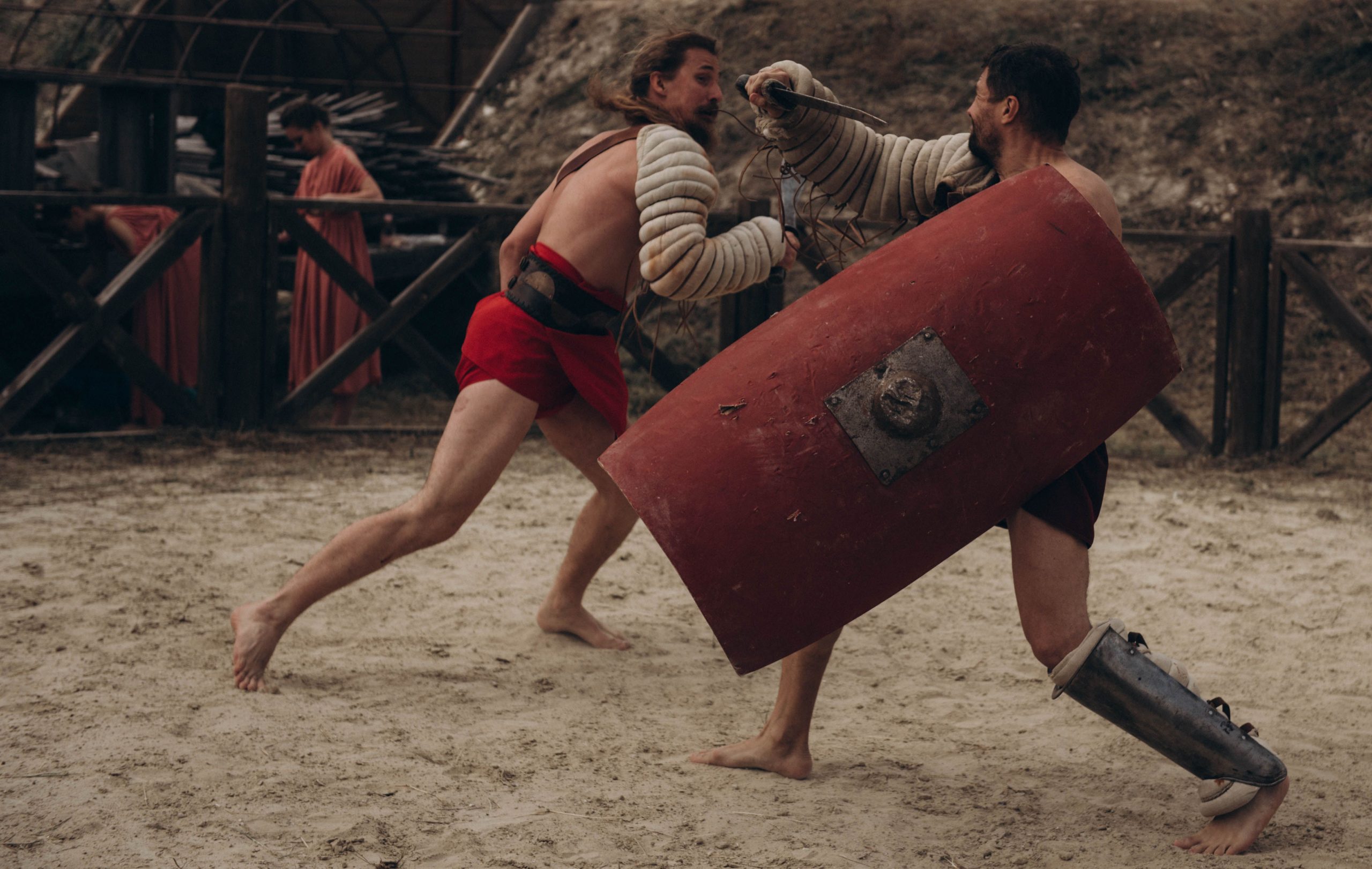
What makes this behind-the-scenes glimpse particularly valuable is its rarity. It offers a closer look at the intense, physical preparation that actors and stunt performers undergo for battle scenes—elements that are often hidden behind the polished final product. Such footage enhances our appreciation for the craftsmanship and effort involved in recreating ancient gladiatorial combat on the big screen.
In conclusion, these rare visuals serve as a testament to the collaborative effort behind Spartacus, highlighting the dedication of everyone involved, from cast to crew. They not only enrich our understanding of the film’s production but also reflect the broader filmmaking practices of the era, emphasizing the importance of behind-the-scenes work in creating cinematic classics.
As we continue to uncover and preserve these historical materials, they provide invaluable insights into the making of one of Hollywood’s most iconic epics, reminding us that behind every great film lies a story of meticulous preparation and teamwork.
About the Author