The Transformative Power of Watching Classic Films in Theaters: My Experience with “Training Day”
As someone born in 2003, I entered the world two years after “Training Day” hit theaters. Growing up with a passion for movies, I often explored cinema independently, discovering different genres and styles on my own. When I first watched “Training Day” at around 11 years old, I was drawn to the film’s intensity and artistry, but I lacked the context to fully appreciate its deeper themes. Even then, I instinctively recognized it as a remarkable piece of filmmaking.
Over the years, “Training Day” has evolved from just another movie I liked into a seminal work that informs my creative perspective. Its narrative, performances, and visual style have become pillars in my ongoing exploration of cinema. Recently, I had the opportunity to experience it on the big screen again, during AMC’s 25th anniversary screening—a date I eagerly anticipated for the past month.
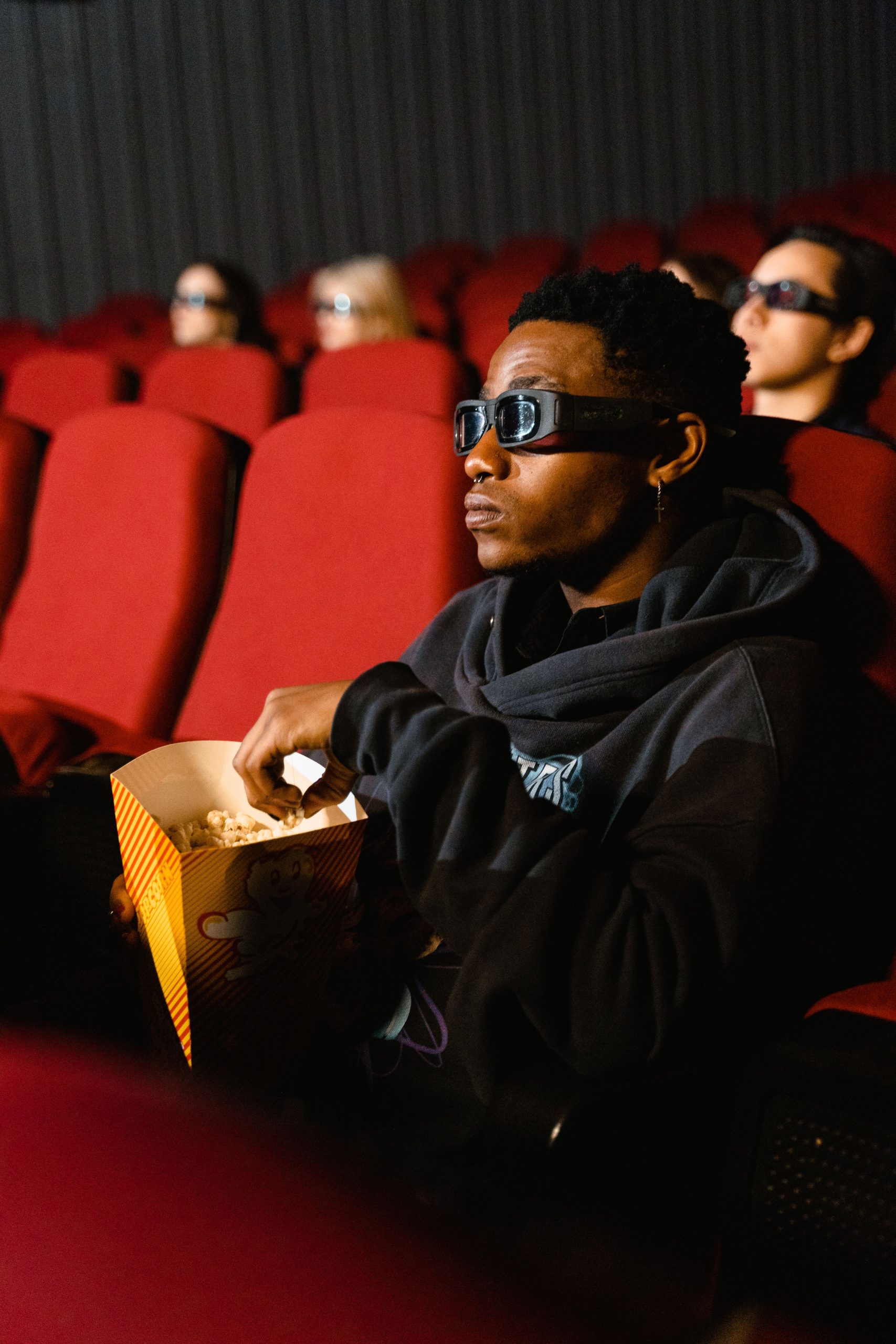
Attending this special event underscored for me the significant value of viewing classic films in their original cinematic environment. The cinematic experience at the theater provided a level of immersion impossible to replicate at home. It was as if I was watching the film anew, catching details I hadn’t noticed before. For example, Denzel Washington’s masterful portrayal of Alonzo revealed subtle shifts in his expressions, hinting at a descent into madness. These nuanced performances are all the more striking when seen on a large screen, where every gesture and microexpression resonate more powerfully.
The film’s technical elements also stood out. The careful color grading created a gritty, authentic atmosphere, while inventive camera angles—such as the shot capturing Alonzo through a man’s elbow while holding a shotgun—added layers of visual storytelling. The rawness and tension of “Training Day” are palpable; the movie immerses you in the gritty reality of narcotics training, never letting go of its suspenseful grip.
This experience has deepened my appreciation for film as an art form. As someone contemplating a career in the industry, I recognize how vital it is for future filmmakers and audiences alike to engage with movies in their intended setting. Seeing “Training Day” in theaters revitalized my connection to the medium and reaffirmed the importance of experiencing films as their creators envisioned.
Denzel Washington’s performance and Antoine Fuqua’s direction are timeless, and I believe films like “Training Day” deserve to be celebrated in theaters, where their full emotional and visual impact can be realized. For young cinephiles and casual viewers alike, recreating the theater experience for classic films can be a transformative journey—one that enriches our understanding and appreciation of cinema’s enduring power.
Conclusion
Revisiting “Training Day” in a theater not only reinforced its status as a modern classic but also highlighted the importance of experiencing great films as they were meant to be seen. As we move forward in an age of digital streaming, let us remember the irreplaceable magic that comes with watching a film on the big screen—an experience that deepens our connection to the art form and to the stories that shape us.
About the Author