Exploring the Artistic Influence of “Perfect Blue” on Modern Cinema: A Reflection on Its Impact and Themes
“Perfect Blue,” a critically acclaimed Japanese animated film directed by Satoshi Kon, continues to resonate within the cinematic community for its profound storytelling, striking visuals, and layered themes. Widely regarded as a seminal work in anime, the film has notably served as an inspiration for influential films such as Darren Aronofsky’s Requiem for a Dream and Black Swan.
The Artistic Choice of Animation
One of the most compelling aspects of “Perfect Blue” is its decision to utilize animation as the medium of expression. Originally, there were plans to adapt the story into a live-action format, but the creators ultimately chose animation for its capacity to portray surreal and psychologically intense experiences more fluidly. This artistic decision has allowed the film to delve deep into the subconscious and convey complex emotional states with vivid, dream-like visuals that would be challenging to capture with live actors.
Memorable Soundtrack and Cultural Touchpoints
The film’s soundtrack is equally impressive, notably featuring tracks like “Angel of Love,” a vibrant J-Pop tune that provides an energetic contrast to the darker themes. The music’s infectious quality makes it a standout element, often prompting listeners to replay it long after viewing. Such auditory choices enhance the immersive experience and underscore the film’s emotional depth.
Themes of Exploitation and Societal Pressures
“Perfect Blue” is more than a psychological thriller; it functions as a commentary on the exploitation faced by young female performers within the entertainment industry. The narrative explores instances where exploitation manifests not solely through overt coercion but also via peer pressure, societal expectations, and a culture that subtly encourages women to be submissive to maintain their careers or avoid causing disruption. This commentary remains startlingly relevant today and highlights the darker underbelly of fame and gender dynamics.
Literary and Cinematic Influences
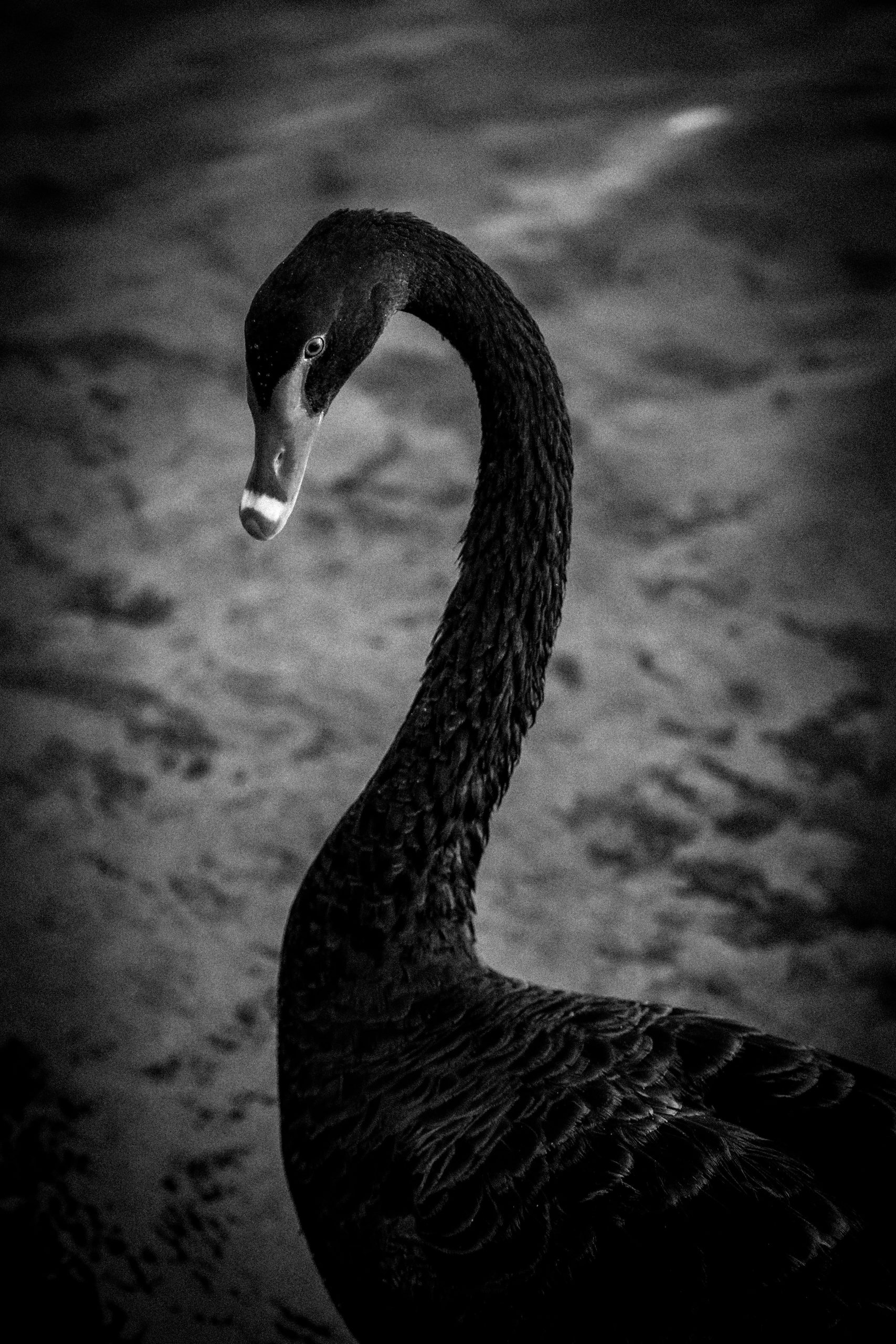
The film’s influence extends into the realm of contemporary cinema, with notable parallels observed in Aronofsky’s Black Swan. The character of Mima, the protagonist, exhibits persistent self-doubt and repression reminiscent of the psychological breakdown experienced by Nina in Black Swan. Both films share a depressive tone and explore themes of identity, obsession, and delusion.
Darren Aronofsky’s admiration for “Perfect Blue” is palpable; he reportedly drew inspiration from its scenes, notably adapting visual motifs such as the haunting bathtub sequence featuring Mima. This scene, among others, underscores the film’s impact on cinematic storytelling, serving as a masterclass in blending psychological horror with visual storytelling.
Final Thoughts
“Perfect Blue” stands as a landmark in animation and psychological cinema. Its innovative use of animation, compelling soundtrack, and incisive commentary on societal issues have cemented its legacy, inspiring filmmakers and audiences alike. Whether as a standalone masterpiece or as a foundational influence on films like Requiem for a Dream and Black Swan, it invites viewers to contemplate the fragility of identity and the dark side of fame.
What are your thoughts on “Perfect Blue”? Do you see its influence in contemporary media or personal experiences? Share your perspective in the comments below.
About the Author